Best Sunset Photography Spots on the Italian Coast: A Seasonal Planning Guide
The first evening you photograph a sunset on the Italian coast, you learn that the sky does maybe half the work and the geography does the rest. A village that looks perfect at noon can go completely flat at eight o'clock, and a headland you ignored over lunch can turn out to be the entire picture at dusk. That shift is rarely luck. It comes from three things you can plan around: where the sun actually drops on that particular date, what the air is doing, and what sits between you and the water.
What follows is not a list of postcard viewpoints with pins attached. It is the seasonal logic behind those viewpoints — the reasons one beach works in October and fails in July, and why the photograph you imagined on the ferry may need a different month entirely.
Find Out Where the Sun Will Actually Set
Sunset direction swings through the year far more than most people expect. Around the equinoxes the sun goes down almost due west. Near the June solstice it sets well to the northwest; by December it has moved far around to the southwest. On a coastline that curves, that arc decides everything: whether the sun sinks into open water, disappears behind a headland, or slides into the notch between two cliffs you were hoping to use as a frame.
Cefalù is a good example. The town sits on Sicily's north coast, and in late spring and early summer the sun sets out over the Tyrrhenian, roughly northwest, giving you that long light path across the water toward the beach. Come November, the same evening hour finds the sun dropping behind La Rocca, the big rock above the town, and the shot changes from seascape to silhouette.
The Adriatic side behaves differently again. At Polignano a Mare the coast faces east, so the sun sets behind your shoulder. Photographers who arrive expecting a sun-in-the-sea composition leave disappointed; the ones who understand the geometry wait for the low, raking light that turns the limestone facades amber while the water below falls into cool shadow. On the Tyrrhenian — Positano, Tropea, Sperlonga — the sun generally does go into the water, but the exact bearing still determines whether it lands in the gap between headlands or hides behind one.
Before any trip, plot the sunset line for your chosen date in a sun-tracking app such as PhotoPills, Sun Surveyor or The Photographer's Ephemeris. Five minutes of that the night before saves an evening of standing in the wrong place.
Season by Season on the Coast
Late spring, May to mid-June
Long evenings, softening light, and sunset arriving around 20:30 in the south. The sun's track is heading northwest, which on north-facing coasts means it may slip past the headland rather than into the sea — check before you commit to a composition. Crowds are manageable and the haze is usually milder than in high summer.
High summer, late June to August
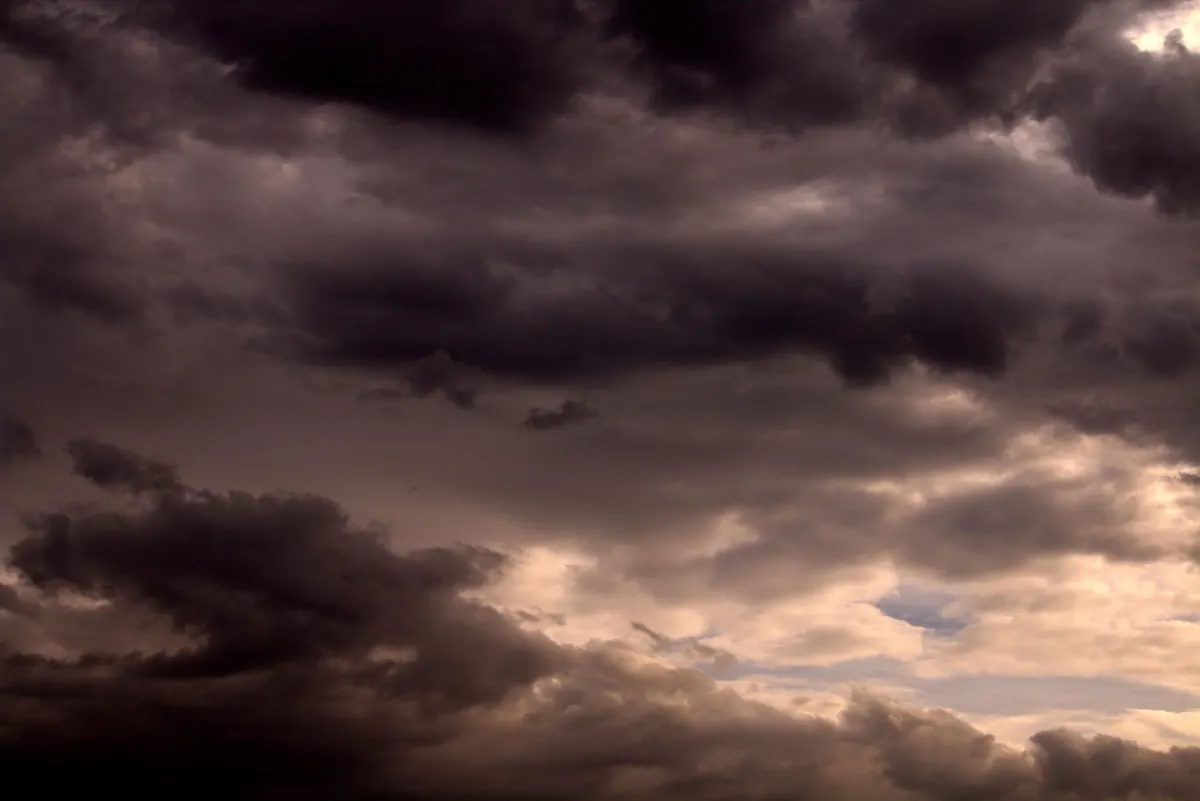
The sun sets at its most northwesterly, so beaches that face northwest come into their own. The trade-off is atmospheric: warm air over warm water means haze, and the sun can turn into a soft white disc well before it reaches the horizon. The best colour often comes twenty to forty minutes after the sun has gone. Ferries, day-trippers and full car parks are part of the deal, so scout locations at midday and shoot in the evening.
Autumn, September and October
This is the sweet spot for most of the Italian coast. The sea still holds summer warmth, the first weather systems scrub the air clean, and sunset falls at a civilized hour — around 19:15 in early September in Naples, closer to 18:15 by late October. As the sun's track swings back toward due west and then southwest, compositions that failed in June suddenly work. Accommodation is cheaper and the rocks are emptier.
Winter, November to February
Sunset can arrive as early as 16:45 in the north. The light is low and long, storms bring drama, and many coastal towns are half-shut — which is exactly the appeal. Bring weather protection and check sea conditions before committing to a rock ledge.
Coastlines and the Season Each One Prefers
- Cinque Terre, Liguria. Manarola and Vernazza reward September and October, when the sun sets cleanly off the coast and the village lights come up against a still-blue sky. In midsummer the sun disappears behind the ridge earlier than you would like.
- Amalfi Coast. Positano and Praiano face roughly south-southwest, so the sun drops into the sea off the tip of the peninsula. Late spring and September give the clearest air; midsummer gives the longest glow.
- Tropea, Calabria. The town sits on a cliff above the Tyrrhenian, and on clear days the Aeolian Islands, Stromboli among them, sit on the horizon. Autumn and winter offer the sharpest visibility.
- Polignano a Mare, Puglia. Forget the sunset itself and shoot the hour before it, when the eastern-facing facades catch the warm light and the sea below goes blue.
- Cefalù, Sicily. May to August for sun-into-water; November to February for the sun behind La Rocca and moody cloud.
- Southern Sardinia. The Chia coast and the headland at Capo Spartivento face southwest, so they work almost year-round. A day of Maestrale wind from the northwest leaves the air exceptionally clear.
Composition: Earn the Foreground
The classic failure is a magnificent sky above an empty bottom third of frame. Get low and give the water something to do — wet sand mirroring the colour, a dark volcanic rock, the curve of a breakwater leading the eye out, a single figure walking for scale. Silhouettes are your friend on this coast: umbrella pines, a fishing boat, the outline of a bell tower.
Exposure matters more than gear here. Bracket three to five frames a stop apart rather than wrestling with a graduated filter, and expose for the brightest part of the sky so the colour survives. A polarizer does beautiful work on water at ninety degrees to the sun, but swing it away when the sun is in the frame — it can flatten the reflections you actually want. Keep the lens clean; salt spray on the front element turns every highlight into a soft smear, and you will not notice until you open the files.
The Twenty Minutes After the Sun Goes
Do not pack up when the disc touches the water. The afterglow, and then the blue hour, is where coastal Italy earns its reputation. Colour in the sky holds longer than it feels like it should, and the first lamps come on in the towns — Manarola's famous evening view is really a blue-hour picture, not a sunset one. Drop the tripod, stop down to f/8, keep ISO low and let exposures stretch to several seconds. Stay until the sky turns flat grey. That is your signal, not the disappearance of the sun.
A Field Checklist for the Evening Itself
- Confirm sunset time and compass bearing for the exact date and location.
- Arrive sixty to seventy-five minutes early, in daylight, and walk the shot.
- Park facing the exit — coastal car parks empty slowly after dark.
- Note boat and ferry traffic that will cross your frame, and time your exposures between them.
- Check the cloud forecast for high cloud, which colours best, rather than low cloud, which blocks.
- Pack a headlamp for the walk back over rocks and unlit paths.
Build the plan around the light, not around the map, and the coast will do the rest.
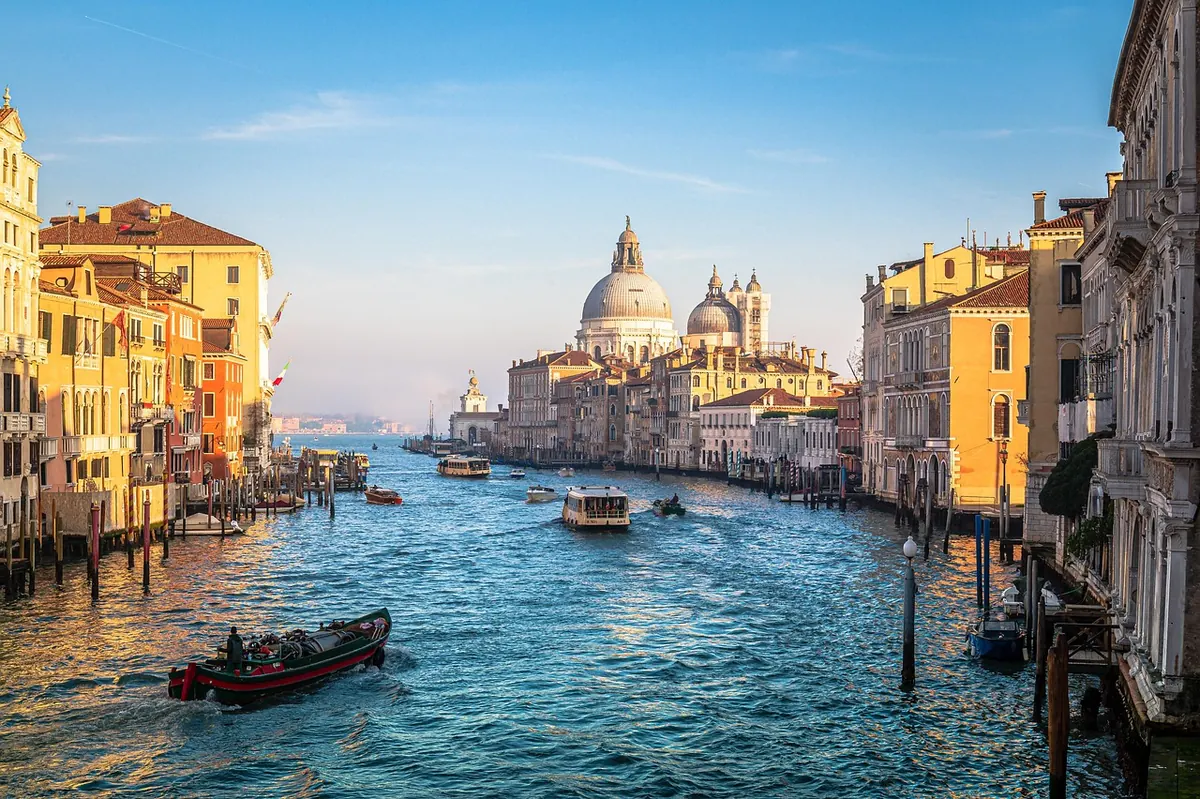
Photo: MARTINOPHUC / Pixabay